

Leaving your phone on airplane mode for the initial thirty minutes after waking up immediately protects your morning sanity. Checking campus announcements or Discord chats right after your alarm rings forces your brain into instant reaction mode. Place your phone charger across the dorm room so you cannot reach it from your mattress.
Drink a full glass of water, make your bed, or stretch before you reconnect with the digital world. This simple buffer creates a calm rhythm that carries through your morning lectures.
2. Switch Your Phone Screen to Grayscale
Colorful app icons trigger dopamine rushes that make mindless scrolling almost impossible to resist. Stripping away the bright reds, blues, and yellows by turning on your phone’s grayscale setting makes social media boring in seconds. You suddenly realize how unappealing Instagram and TikTok look in plain black and white.
Triple-click the side button on your iPhone to set up an accessibility shortcut for fast toggling. You will naturally check Canvas notifications without falling into a two-hour rabbit hole.
3. Create a Dedicated Charging Station Outside the Bed
Scrolling under the covers ruins your circadian rhythm and wrecks your sleep schedule before tough exam days. Set up a physical bedside charging boundary by placing your power strip near your study desk or closet. Keeping the screen out of arm’s reach stops late-night binge watching in its tracks.
Buy a cheap ten-dollar alarm clock from Target so you never need your phone next to your pillow. You will fall asleep thirty minutes faster every single night.

4. Establish Screen-Free Dining Hall Meals
Eating lunch while staring at YouTube videos keeps your mind distracted and disconnected from campus life. Making every cafeteria meal a screen-free zone allows you to actually taste your food and notice people around you. Leaving your phone buried inside your backpack lets you have genuine conversations with roommates or classmates.
If you sit alone, bring a physical notebook to doodle in or simply enjoy the campus background noise. Giving your eyes a break during lunch recharges your focus for afternoon labs.
5. Swap Digital Note-Taking for Paper Notebooks
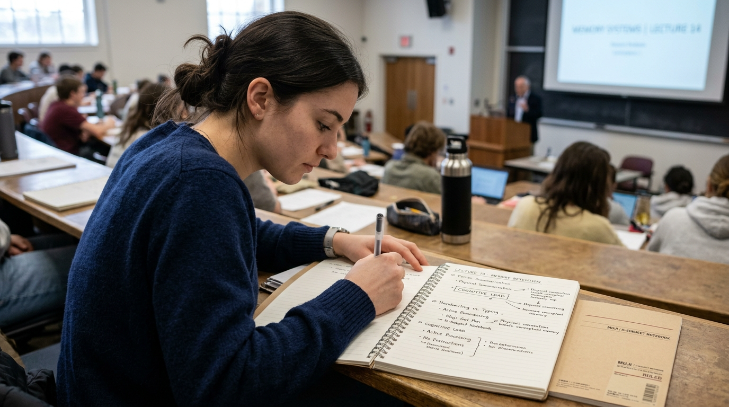
Taking lecture notes on an iPad or laptop opens the door to open browser tabs and shopping distractions. Writing with a classic spiral notebook forces you to summarize concepts in real time instead of typing verbatim transcriptions. Research shows that physical handwriting improves conceptual memory retention significantly better than typing on a keyboard.
Pick up a Muji gel pen and a clean five-subject notebook for your toughest classes. You will retain far more material without pop-up notifications interrupting your professor’s explanations.
6. Implement the 20-20-20 Eye Rest Rule During Study Sessions
Staring at PDF textbooks for four straight hours causes severe eye strain, tension headaches, and mental fatigue. Practicing the 20-20-20 rule gives your optic nerve regular intervals to relax and reset during long study blocks. Every twenty minutes, pause your reading and look at an object twenty feet away for at least twenty seconds.
Look out your library window or down the hallway toward the water fountain. This tiny physical reset reduces mental brain fog and keeps your energy steady through late cram sessions.
7. Block Addictive Apps During Prime Library Hours
Willpower alone rarely defeats multi-billion-dollar notification algorithms designed to capture your attention. Installing a strict website blocker like Opal or Freedom locks your social feeds while you finish research papers. Setting automatic block schedules around your study calendar removes the temptation to check group chats every five minutes.
Most students notice their productivity doubles once distracting feeds become completely inaccessible on their devices. You finish your assignments in half the time and gain back free evening hours.

8. Designate a Weekly No-Screen Sunday Afternoon
Spending four uninterrupted hours offline every weekend resets your nervous system before the upcoming academic week begins. Testing the best digital detox routine ideas for college students often comes down to protecting your personal time on weekends. An intentional offline afternoon creates space for real hobbies, meal prep, campus walks, or coffee dates with friends.
Inform your close friends beforehand so nobody worries when you do not reply to texts immediately. That intentional silence feels weird at first, but it quickly becomes your favorite weekend tradition.
9. Purge Notification Badges and Group Chat Alerts
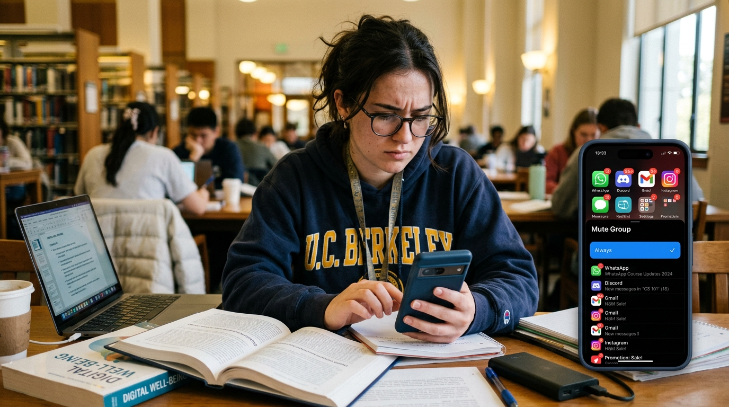
Red notification dots constantly pull your attention away from readings and trigger micro-stresses all day long. Disabling all non-essential push notifications puts you back in control of when you consume incoming information. Keep alerts active only for direct phone calls and emergency campus safety updates.
Mute active Discord servers, large WhatsApp course groups, and promotional retail emails immediately. Checking messages on your own schedule eliminates that nagging urge to constantly check your lock screen.
10. Adopt the Forest App for Gamified Deep Work
Gamifying your study focus turns avoiding your phone into a rewarding, visual daily challenge. Using the Forest timer app lets you plant a virtual seed that grows into a tree as long as you stay off your device. Leaving the app before the timer runs out kills your tree, creating a fun psychological barrier against mindless scrolling.
Pair up with study buddies to grow shared virtual forests during finals week at the campus library. The friendly social accountability keeps everyone locked in and off their screens.
11. Build an Analog Wind-Down Routine Before Sleep
Endless late-night scrolling right before bed suppresses melatonin production and leads to restless, low-quality sleep. Replacing late-night feeds with an analog bedtime routine signals to your nervous system that the day is finished. Reading paperback novels, journaling, or doing light stretching allows your brain to drift off naturally.
Put your tablet and laptop inside your backpack forty-five minutes before turning off the lights. Waking up refreshed for your 8:00 AM class makes this tiny habit worth every minute.
12. Schedule Daily Offline Walking Breaks
Walking across campus without AirPods plugged in allows your mind to process lectures and wander freely. Incorporating a deliberate device-free walk between classes breaks the cycle of continuous digital overstimulation. Notice the campus architecture, feel the fresh air, and let your brain digest the complex concepts you just learned.
Leaving your headphones in your pocket feels unusual at first, but it prevents sensory exhaustion by mid-afternoon. Your mental stamina will stay high when evening study hours arrive.
13. Use Physical Flashcards and Library Textbooks
Studying with physical resources eliminates the temptation of switching to social feeds during revision. Flipping handmade paper flashcards activates tactile memory pathways that digital quiz apps simply cannot replicate. Checking out physical reserve books from the university library also keeps your eyes off glowing displays during heavy study sessions.
Color-code your index cards with highlighters and carry them in your pocket around campus. You can review key terms during quick bus rides without touching your phone once.
14. Replace Screen Breaks with Physical Micro-Habits
Grabbing your phone the second you take a five-minute study break keeps your mind in an active processing loop. Applying the best digital detox routine ideas for college students means swapping social feeds for actual physical recovery. Practicing a fast physical micro-break allows your attention span to properly refresh between intensive academic tasks.
Stepping away from all screens during rest periods makes your next study block significantly more effective. Your brain returns to work genuinely recharged instead of more exhausted.
Frequently Asked Questions
How do I start using digital detox routine ideas for college students without falling behind on schoolwork?
Start with low-stakes boundaries like turning off non-essential notifications and leaving your phone off the desk during library sessions. You do not need to cut out technology entirely. Schedule specific times to check Canvas and campus emails so you stay organized while protecting your deep focus time.
Will a digital detox hurt my social life on campus?
Not at all. In fact, most students find that putting screens away improves their real-life friendships. Just let your close friends know that you check group chats at set times each day. Real friends will respect your boundaries, and you will enjoy higher quality in-person interactions.
How long should a digital detox routine last for a busy student?
A sustainable routine works in micro-doses throughout your normal week rather than a sudden multi-week blackout. Aim for a thirty-minute analog morning, forty-five minutes before bedtime, and a half-day offline session every weekend. Consistency with small daily habits brings much better results than extreme temporary challenges.
What is the best app to help college students detox from their phones?
The Forest app and Opal are two top choices for blocking distracting feeds during study sessions. Forest turns focused time into a game by growing virtual trees, while Opal lets you set automated app blackout schedules during lectures. Both tools keep you accountable without complicated setups.
What should I do when I feel bored during a screen break?
Boredom is simply your brain looking for a quick dopamine hit. Use that downtime to stretch, sketch in a notebook, organize your dorm desk, or grab water. Embracing a few quiet minutes between tasks lets your mind rest and resets your attention for your next lecture.
Conclusion
Stepping away from screen overload does not require moving into the woods or throwing your smartphone into a campus fountain. Picking just one or two of these habits this week will give your brain the breathing room it desperately needs. Which routine are you planning to test out first in your dormYou